

What you’ll learn:
- Foundayo® is a once-daily pill designed to support weight loss by helping control appetite and digestion.
- Common side effects such as nausea, constipation, or fatigue are usually mild and tend to improve as your body adjusts.
- Rare side effects can happen, so staying informed and checking in with your provider is important.
Foundayo® is a once-daily pill for weight management developed by Eli Lilly, the same company behind Zepbound® and Mounjaro®. Its active ingredient, orforglipron, works by activating GLP-1 receptors to help reduce appetite and slow digestion. In clinical trials, this translated into average weight loss of about 8% to 12% of body weight over 6 to 12 months, with results varying based on dose and individual response.
While it works on the same system as other GLP-1 medications, orforglipron is a “nonpeptide” molecule, which means it behaves differently in the body and can be formulated as a stable, room-temperature pill that can be taken at any time of day.
Despite the differences in form, the side effects of Foundayo® are similar to those of other GLP-1s. Foundayo® is started at a low dose and gradually increased over time to help reduce side effects, but many people still experience mild to moderate digestive issues early on or when increasing doses. These effects are usually temporary and manageable, but it helps to know what’s considered normal, what to watch for, and when to check in with your provider.
In this guide, we’ll walk through the side effects you might experience, ways to manage them, and what to keep in mind. We’ll also look at how they compare to other GLP-1 medications, with the understanding that individual responses can vary.
How Foundayo® (orforglipron) works and how you take it
Orforglipron, the active ingredient in Foundayo®, activates the GLP-1 receptor, but instead of mimicking the GLP-1 hormone exactly like peptide-based drugs, it binds to the receptor as a small-molecule compound, producing similar effects through a different structure. This helps reduce appetite, slow how quickly food leaves the stomach, and support more stable blood sugar levels.


One of the key differences with Foundayo® is how it’s absorbed and when you take it. Because orforglipron isn’t a peptide, it remains stable in the digestive system and doesn’t require fasting or specific timing—so it can be taken once daily, at any time, with or without food.
Dosing is still similar to other GLP-1 medications. Treatment follows a step-up dosing schedule (titration), starting at a low dose and increasing gradually over several weeks to help improve tolerability. In clinical trials, this approach helped balance effectiveness with side effects, which tend to be more noticeable during dose increases and early use.
Here is the typical dosing schedule for Foundayo®, but this can be slowed depending on response and side effects.
| Dose (daily) | Timing |
|---|---|
| 1.5–2.5 mg | Weeks 1–4 |
| 5–6 mg | Weeks 5–8 |
| 9 mg | Weeks 9–12 |
| 12–14.5 mg | Weeks 13–16 |
| Up to 17.2 mg | Week 17+ |
Common side effects of Foundayo®
Starting Foundayo® can come with some early side effects as your body adapts to the medication. These are most likely to show up in the first few weeks or when your dose changes. Most side effects are temporary and manageable. Here’s a look at the side effects reported most often in clinical studies.
Gastrointestinal side effects
When you start Foundayo®, your digestive system is one of the first places you may notice changes. That’s because the medication directly affects how your stomach and gut process food. It slows things down so you feel full longer, but that shift can come with some temporary side effects.
Most of these show up early and improve as your body gets used to the medication. Here’s what showed up most often in clinical trials and tips to help you manage them:
| Symptom | 5.5 mg | 9 mg | 17.2 mg | What can help |
|---|---|---|---|---|
| Nausea | 26% | 34% | 35% | Standard care guidance suggests sticking to smaller, low-fat meals and avoiding greasy or heavy foods, since those take longer to digest and can make nausea worse. |
| Diarrhea | 21% | 23% | 25% | Standard care advice focuses on hydration first, along with simple, easy-to-digest foods like rice or toast until your system settles. |
| Constipation | 20% | 27% | 24% | Healthcare providers commonly recommend gradually increasing fiber, drinking more water, and adding light daily movement to help your digestive system stay regular. |
| Vomiting | 13% | 21% | 24% | General tips are eating bland foods, taking small sips of clear fluids, and easing back into eating once symptoms improve. |
| Dyspepsia (indigestion) | 12% | 16% | 13% | Standard care tips include eating slowly, avoiding large portions, and limiting high-fat foods that can worsen that “too full” feeling. |
| Abdominal pain | 13% | 14% | 14% | General care recommendations include sipping water or clear fluids and giving your stomach a short break from solid foods if the pain flares up. |
| Abdominal distension (bloating) | 7% | 9% | 8% | Healthcare experts suggest adjusting your diet to reduce gas, especially by limiting hard-to-digest carbohydrates. |
| Eructation (burping) | 6% | 8% | 8% | Experts recommend limiting habits that increase swallowed air, like drinking through straws or eating quickly. |
| Gastroesophageal reflux disease (GERD) | 6% | 6% | 7% | Standard care tips include staying upright after meals and avoiding trigger foods, such as spicy or acidic options, especially before lying down. |
If you’re still feeling uncomfortable after a few weeks, your provider can help guide the next steps. For ongoing support, Noom’s GLP-1 Companion offers personalized guidance to help you manage side effects while building habits that fit into your routine.
Other side effects
Beyond digestion, some side effects with Foundayo show up as more general, day-to-day physical changes. These are often linked to shifts in appetite, hydration, and energy balance as your body adjusts to eating less and processing food differently. They’re usually temporary, especially in the early weeks or during dose increases, but it helps to know what they might feel like and how to manage them:
| Symptom | 5.5 mg | 9 mg | 17.2 mg | What can help |
|---|---|---|---|---|
| Headache | 8% | 9% | 9% | Experts suggest increasing your water intake and taking breaks from screens to help ease early headaches. |
| Fatigue | 6% | 7% | 9% | Prioritizing rest and keeping meals balanced are common ways to support your energy. Gentle movement may also help you feel more refreshed. |
| Dizziness | 4% | 4% | 4% | Moving more slowly when standing and staying hydrated can help reduce dizziness. |
| Hair loss | 4% | 4% | 5% | Experts recommend eating a balanced diet to support hair growth and being gentle with your hair. |
Again, most of these symptoms improve over time as your body settles into a routine with the medication. If something lingers or feels concerning, your provider can help you adjust your plan.
Metabolic and cardiovascular side effects
Some people taking Foundayo® may notice changes in blood sugar, heart rate, or blood pressure. These aren’t the most common side effects, but they can still show up, especially as your body adjusts to the medication.
Access GLP-1 Weight Loss with Noom
Explore a wide range of prescription medications supported by Noom’s program.Microdose GLP-1rx

Noom GLP-1rx
Noom GLP-1rx Plus
Wegovy®

Ozempic®

Metformin
Zepbound®
Mounjaro®
Liraglutide
- Feeling shaky, sweaty, dizzy, or confused? That could be low blood sugar. This is more likely if you’re also taking medications like insulin, but it can still happen on its own.
- A fast or fluttering heartbeat has been reported in some people. On average, heart rate can go up slightly, and about 3% of people experienced noticeable increases in trials.
- Lightheaded when standing up? That may be related to drops in blood pressure, especially if you’re dehydrated or already taking blood pressure meds.
If any of these feel new or uncomfortable, don’t brush them off. Let your provider know so they can help you stay on track safely.
Read more: GLP-1 side effects: What to expect & how to manage them
Other potential side effects of Foundayo®
Some side effects aren’t highlighted as common in Foundayo®‘s prescribing information, but they still show up in trials or patient experiences. Most of these changes are more closely tied to weight loss itself rather than the medication directly. Let’s go over a few that can come up and what might be behind them.
Is muscle loss a side effect of Foundayo®?
It can happen, especially if weight loss happens quickly. When your body is in a calorie deficit, it doesn’t just pull from fat; it can also break down some muscle for energy. That might show up as feeling a little weaker or noticing less tone over time. The goal isn’t to stop weight loss, but to help your body lose weight in a way that still supports strength.
What to do:
- Focus on getting enough protein throughout the day. If you use Noom and the GLP-1 Companion, we’ll give you a target to hit.
- Add simple resistance exercises like bodyweight workouts or light weights. Even a couple of sessions per week can help your body hold onto muscle.
Read more: Why protein matters for weight loss
Is hair loss a side effect of Foundayo®?
Yes, hair loss is listed as a side effect of Foundayo®. It tends to happen alongside weight loss, not directly because of the medication itself. When your body is losing weight quickly, it can temporarily shift how it supports things like hair growth. The good news is that this is usually not permanent.
What to do:
- Try to keep your meals balanced and include enough protein. That helps your body hold onto the nutrients your hair needs while you’re losing weight.
Are facial changes a side effect of Foundayo®?
Significant weight loss may lead to a loss of facial volume, which can make features appear slimmer or more hollow. This change isn’t specific to Foundayo® and can happen with any type of weight loss. It’s likely a result of overall fat loss, which doesn’t occur in just one area of the body.
What to do:
- Stay well hydrated and talk with your provider about pacing your weight loss. Slower, steadier progress can sometimes make these changes feel less dramatic.
Is feeling cold a side effect of Foundayo®?
Yes, this can happen. As your body weight drops and you’re eating less, your body may try to conserve energy, which can make you feel colder than usual. You might notice it most in your hands, feet, or when you’re sitting still for a while.
What to do:
- Keep your body moving during the day to support circulation.
- Layer clothing when needed and make sure you’re eating enough balanced meals so your body isn’t running too low on energy.
Side effects of stopping Foundayo®
While there are no official side effects or stopping Foundayo®, if you stop taking Foundayo®, you may feel some shifts in appetite. The medication has been helping manage hunger and digestion, so when it’s no longer there, you may notice a few things:
- Your appetite could come back more strongly: Foundayo® lowers appetite and helps you feel full sooner and stay full longer. Once it’s out of your system, those hunger signals can return, and you might find yourself thinking about food more often.
- Weight regain can happen: Without that support, your body may slowly move back toward its previous patterns. This has been commonly seen in studies on stopping GLP-1 medications, though we don’t have many direct studies on Foundayo® yet.
Before making any changes, always check in with your healthcare provider. They can help you figure out the safest and most comfortable way to stop while still supporting your progress.
Read more: Stopping a GLP-1: What to expect & how to manage weight after
Do females experience different side effects with Foundayo®?
Foundayo® doesn’t have side effects that affect only women, but some experiences may show up more often or feel a bit stronger. A lot of this comes down to how the body responds to weight loss and how hormones like estrogen interact with medications in this category.
- Hair loss may be more noticeable: In clinical trials, hair loss was reported more often in females than males. This is usually linked to weight loss itself, especially if it happens quickly, but the difference between sexes still showed up in the data.
- Digestive side effects may feel stronger: With GLP-1 medications as a group, studies show that females tend to report more nausea, vomiting, and similar symptoms.
- Weight loss response may be different: Some studies on GLP-1s show females may lose more weight on average, but also report more side effects along the way.
- Oral birth control may be affected: Foundayo® can slow how quickly your stomach empties, which may reduce how well oral contraceptives are absorbed—especially when you first start the medication or increase your dose. The prescribing information recommends using a non-oral form of contraception for at least 4 weeks after starting Foundayo® and for 4 weeks after each dose escalation
If you’re noticing changes that don’t feel right, don’t wait to bring them up. Early adjustments can make your whole experience smoother.
Foundayo®: Severe side effects and warnings
While most side effects with Foundayo® are mild and manageable, there are a few rare but serious risks that are important to understand before starting.
- Boxed warning: thyroid C-cell tumors – Foundayo® carries a boxed warning for thyroid C-cell tumors, based on findings in rodents. It’s not known whether this risk applies to humans. Foundayo® should not be used in people with a personal or family history of medullary thyroid carcinoma (MTC) or in those with Multiple Endocrine Neoplasia syndrome type 2 (MEN 2).
- Pancreatitis – Acute pancreatitis has been reported, though it is rare, affecting well under 1% of people and occurring slightly more often than with placebo. Symptoms include severe, persistent abdominal pain that may radiate to the back, with or without vomiting. Stop taking the medication and seek medical attention right away if this happens.
- Gallbladder disease – Gallbladder issues, including gallstones and inflammation of the gallbladder, have been reported. These conditions are uncommon but may occur slightly more often than in people not taking the medication. Symptoms such as upper abdominal pain, fever, nausea, or yellowing of the skin or eyes should be evaluated promptly.
- Acute kidney injury – Kidney problems have been reported, usually in the setting of dehydration from ongoing nausea, vomiting, or diarrhea. This is rare but more likely if fluid intake is low. Signs include reduced urine, swelling in the legs or feet, or unusual fatigue—seek care if these develop.
- Hypotension (low blood pressure) – Low blood pressure has been reported and may feel like dizziness or lightheadedness, especially when standing. It appears to be more common in people taking blood pressure medications at the same time.
- Hypersensitivity reactions – Serious allergic reactions, including anaphylaxis and angioedema, have been reported but are rare. Symptoms such as swelling of the face, lips, tongue, or throat, difficulty breathing, or severe rash require emergency care.
- Hypoglycemia – Low blood sugar can occur, especially if Foundayo® is used with insulin or medications that increase insulin release. Symptoms may include shakiness, sweating, confusion, or dizziness and should be treated promptly.
- Increased heart rate (tachycardia) – Some people experience an increase in resting heart rate. In clinical trials, this was reported in a small percentage of people, with an average increase of a few beats per minute. If your heart feels persistently fast or pounding, it should be evaluated.
- Pulmonary aspiration during anesthesia – Because Foundayo® slows how quickly your stomach empties, food may remain in the stomach longer. This can increase the risk of aspiration during anesthesia or deep sedation, so it’s important to let your care team know you’re taking this medication before any procedures.
If something feels severe, persistent, or unusual, seek medical care right away.
Who shouldn’t take Foundayo®?
Foundayo® can be a helpful option for weight loss, but it’s not the right fit for everyone. There are a few situations where it may not be safe, and it’s important to check these before getting started.
You should avoid Foundayo® if any of the following apply to you:
- You or a family member has a history of medullary thyroid cancer (MTC) or MEN 2
- You’ve had an allergic reaction to orforglipron or similar medications
- You’re pregnant, planning to become pregnant, or breastfeeding: If pregnancy is part of your plans, your care team can help you plan when to stop safely.
Before starting Foundayo®, talk to your doctor about any history of:
- Pancreatitis: This medication may increase the risk of it coming back.
- Severe digestive issues: Since Foundayo® slows how quickly your stomach empties, conditions like gastroparesis may feel worse.
If you’re unsure where you fall, that’s okay. A quick check-in with your provider can help you figure out if this medication fits your situation.
For more information, read the Foundayo® medication guide.
Wegovy® pill vs Foundayo® side effects: Are there differences?
The Wegovy® pill and Foundayo® work in similar ways, even though they use different active ingredients. Foundayo® is made with orforglipron, a newer option designed to work on the same system in a different non-peptide form. Wegovy® is made with semaglutide, which is also the active ingredient in Ozempic® and Rybelsus®. Because they act on the same GLP-1 pathway, their overall side effect profiles are very similar.
Any differences in side effects:
Nausea and vomiting are reported more often with the Wegovy® pill, while diarrhea and constipation are slightly higher with Foundayo®.
Keep in mind, percentages come from different studies of each medication, so they reflect general trends—not a direct comparison between the two. Differences in study design, populations, and dosing can influence the results. Here’s a look at what has been reported at the highest doses:
| Side effect | Wegovy pill (25 mg semaglutide) | Foundayo (17.2 mg – orforglipron) |
|---|---|---|
| Nausea | 47% | 35% |
| Vomiting | 31% | 24% |
| Diarrhea | 18% | 25% |
| Constipation | 20% | 24% |
Additionally, based on one head-to-head trial, GI side effects and treatment discontinuations were higher with orforglipron than with oral semaglutide (about 58% vs 45%). At the same time, orforglipron led to greater reductions in blood sugar—highlighting a tradeoff between effectiveness and tolerability.
Read more: Wegovy® pill vs Foundayo®: Which one works best for weight loss?
Foundayo® vs. other GLP-1 medications: Side effects
If you’re considering Foundayo, it helps to see how it compares to other GLP-1 options like Wegovy, Zepbound, and Saxenda.
Important context: These comparisons come from separate clinical trials—not head-to-head studies—so they show general trends, not exact differences.
How side effects compare:
- Foundayo® vs. Wegovy®: Slightly lower nausea and diarrhea with Foundayo®, with similar vomiting and constipation
- Foundayo® vs. Zepbound®: Higher rates of nausea, vomiting, diarrhea, and constipation with Foundayo®
- Foundayo® vs. Saxenda®: Slightly lower nausea, but higher diarrhea, vomiting, and constipation with Foundayo®
Big picture:
- The types of side effects are similar across all GLP-1 medications
- What really changes is how often they happen
Foundayo® vs. other GLP-1s: Side-effect frequency table
If you’re trying to decide between these options, it helps to see how they compare side by side. The table below compares the most commonly reported side effects at the highest doses for several GLP-1 medications approved for weight loss, including Foundayo®.
| Medication | Nausea | Vomiting | Diarrhea | Constipation | Abdominal pain |
|---|---|---|---|---|---|
| Foundayo® (17.2 mg orforglipron) | 35% | 24% | 25% | 24% | 14% |
| Wegovy® pill (25 mg semaglutide) | 47% | 31% | 18% | 20% | 7% |
| Wegovy® injection (2.4 mg semaglutide) | 44% | 24% | 30% | 24% | 20% |
| Zepbound® (15 mg tirzepatide) | 28% | 13% | 23% | 11% | 10% |
| Saxenda® (3 mg liraglutide) | 39% | 16% | 21% | 19% | 5% |
Keep in mind that this table is a guide; you may react differently. Your provider can help you sort through these options and choose what feels like the right balance for you.
Read more: GLP-1 side effects: What to expect & how to manage them
Reviews from real Noom users
Desirea N. — Real Noom user
“My favorite parts of Noom are the care team and other Noomers. Sharing and getting help made me feel like I wasn’t doing it alone. That support made all the difference.”
Desirea N. — Real Noom user
Matthew M. — Real Noom user
“Noom has taught me that every day is a new chance to make better, healthier choices. It's taught me how to stop overeating.’’
Matthew M. — Real Noom user
Lila M. — Real Noom user
“Clinicians who understand how supportive medication can be is one of the best parts of Noom! I was convinced I wouldn’t have success but I’m down 11 pounds in two months.’’
Lila M. — Real Noom user
Steve M. — Real Noom user
“Noom provided me with the medication which I could not get through Medicare. I have learned the tricks to better eating and life in general.”
Steve M. – Real Noom user
Daisy R. — Real Noom user
‘’Noom has changed my life and I’m so thankful, I feel great, have more energy and am no longer prediabetic.”
Daisy R. – Real Noom user
Sarah R. — Real Noom user
“All of the Noom providers that I’ve met with have been exceptional and prescribed medications that are appropriate for my situation and health.”
Sarah R. – Real Noom user
Madison S. — Real Noom user
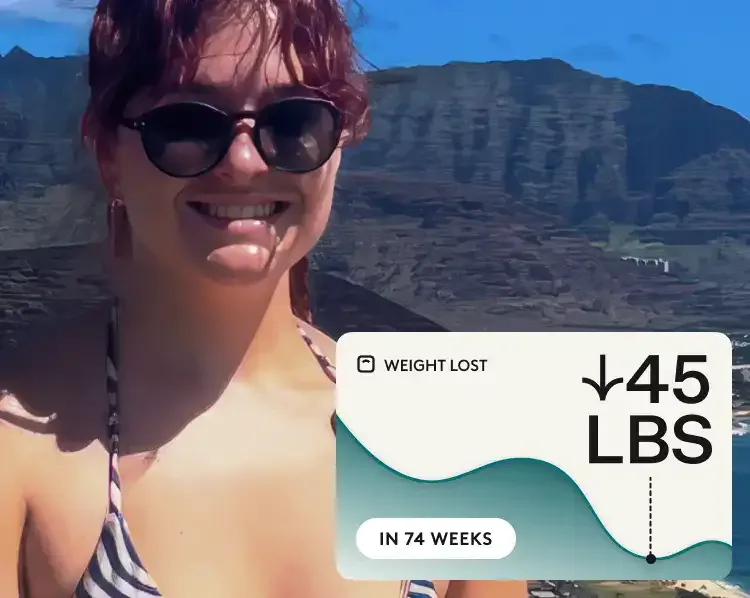
“Noom made the process so simple and now I feel full, free from diet obsession, and at ease in my body again.”
Madison S. – Real Noom user
Sonday K. — Real Noom user
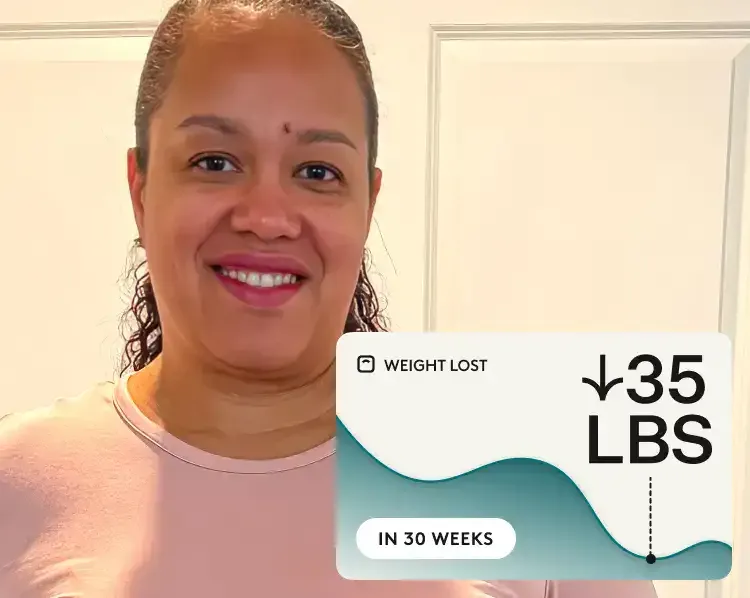
“My doctor recommended Noom after I was frustrated trying to lose weight. The lessons helped change my relationship with food. My body feels lighter & energized.”
Sonday K. – Real Noom user
Cam K. — Real Noom user
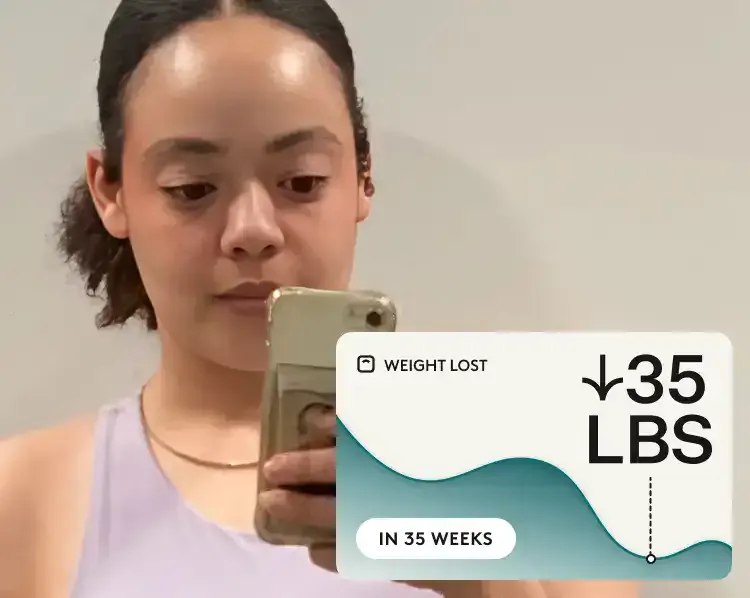
“I built healthy habits with coaching and lessons that make me confident I can maintain my weight loss long term.”
Cam K. – Real Noom user
Laura TR. — Real Noom user
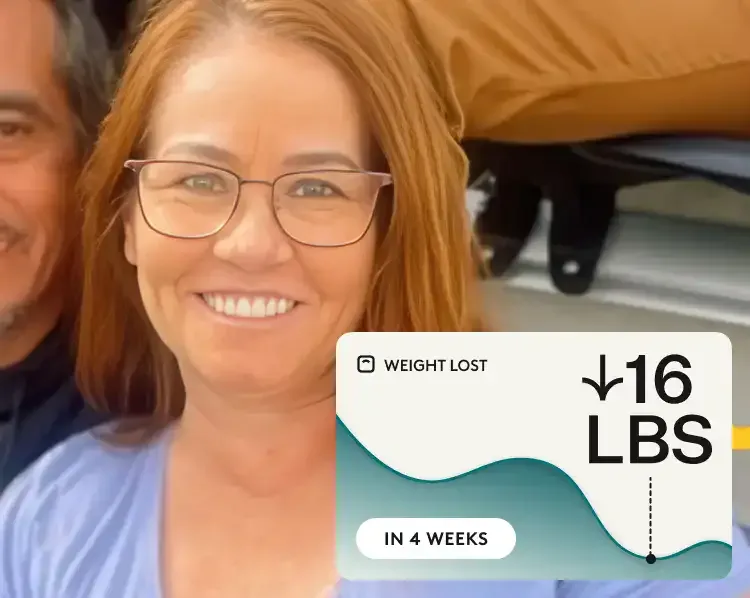
“With the right medication through Noom, hunger and sugar cravings finally quieted and I have the tools to break the cycle.”
Laura TR. – Real Noom user
Jessica S. — Real Noom user
“Cravings and food noise are gone, I finally feel confident in the healthy habits I’ve built to last with Noom.”
Jessica S. – Real Noom user
The bottom line: Foundayo® side effects are similar to those of the GLP-1 medications and are typically manageable
The side effects of Foundayo are closely tied to how it works in your body. By slowing digestion and lowering appetite, it creates changes that can feel noticeable at first—especially in your digestive system. For most people, these effects show up early or during dose increases and tend to ease over time as your body adjusts. Looking across GLP-1 medications as a group, the pattern is consistent: the same types of side effects show up again and again, with the biggest differences being how often they happen and how your body responds.
What matters most is finding an approach that you can stick with. That means paying attention to how you feel, giving your body time to adjust, and making small changes—like staying hydrated, eating balanced meals, and moving regularly—that support both comfort and progress. If something doesn’t feel right, checking in early can help you stay on track.
If you’re exploring your options, you don’t have to figure it out on your own. With Noom Med, if you qualify, you’ll be matched with a clinician who can help you decide if medication makes sense for you, find the right one, and prescribe it if appropriate. Then the program will guide you through any side effects and help you build habits that support long-term progress.
Editorial standards
At Noom, we’re committed to providing health information that’s grounded in reliable science and expert review. Our content is created with the support of qualified professionals and based on well-established research from trusted medical and scientific organizations. Learn more about the experts behind our content on our Health Expert Team page.