
What you’ll learn:
- Saffron supplements are marketed as a natural way to curb appetite, reduce snacking, and support weight loss.
- Some saffron compounds have real research behind them, especially for snacking and appetite, but the effects are modest.
- Supplements aren’t a shortcut to weight loss or longevity, especially without diet and lifestyle changes.
Saffron supplements are showing up everywhere right now—and the way they’re being talked about makes them sound almost effortless. Take a capsule, feel less hungry, snack less, and let weight loss follow. Some versions go even further, positioning saffron as a kind of longevity “biohack” thanks to its antioxidant and anti-inflammatory compounds.
If that sounds familiar, it’s because it fits a broader trend. In today’s wellness space, supplements are often framed as natural alternatives to weight loss medications or gentler ways to support appetite, cravings, and metabolism. Saffron is starting to show up in that same conversation—often marketed as a way to reduce snacking and cravings by influencing mood and appetite pathways, a claim that traces back to small early studies but is now widely used in supplement marketing.
The interesting part is that saffron itself isn’t new—it’s a long-used culinary spice. What’s changed is how it’s being sold: concentrated into capsules and marketed for everything from craving control and mood to metabolism and healthy aging. In some cases, it’s even bundled into supplements positioned as “natural GLP-1” alternatives.
And that’s where things get complicated.
Some research does suggest saffron may help with snacking, appetite, and stress-related eating. Other studies look at its potential effects on inflammation and cardiometabolic health.
Let’s look at what saffron is, what a saffron supplement is good for, what the research actually says, and where the hype gets ahead of the evidence. With guidance from Dr. Karen Mann, MD, Noom’s Medical Director, let’s see whether this trend is worth trying or if it’s too good to be true.
What is saffron?
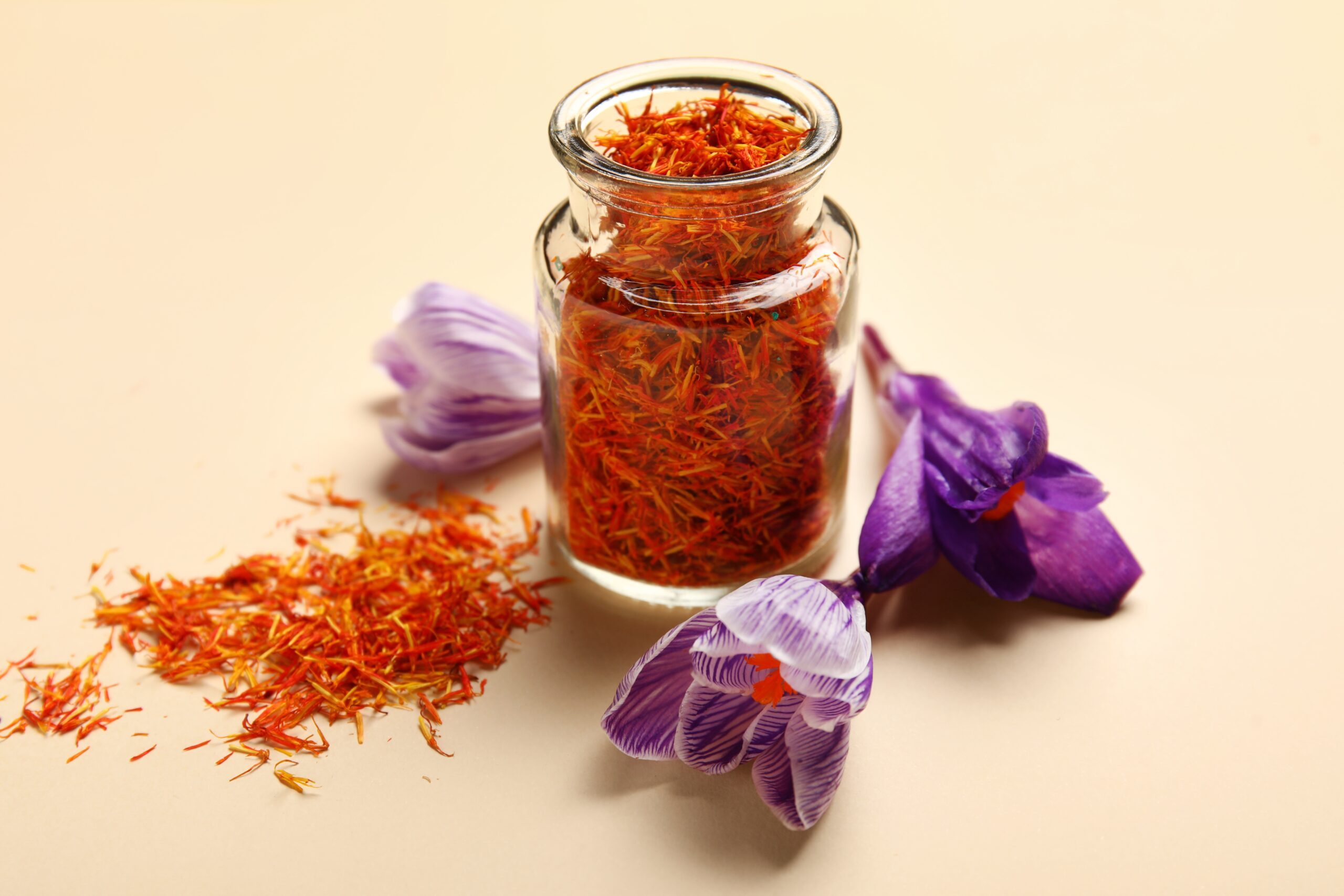
Saffron is a spice made from the dried threads of Crocus sativus, a flowering plant in the iris family with a long history in cooking and traditional medicine across Greece, Spain, India, and the Middle East.
In traditional medicine dating back to the 10th century, saffron was used for inflammatory and respiratory conditions. It was also known for its aphrodisiac properties.
In cooking, saffron is used in small amounts to add color, aroma, and a warm, floral-earthy flavor. You’ll find it in dishes like paella, risotto, saffron rice, teas, stews, and desserts.
Saffron is also famously expensive—often sold in tiny amounts or just a few strands at a time. Because each flower produces only a small number of usable threads that have to be harvested by hand, saffron is often considered the world’s most expensive spice. That high price has also given it a certain aura of luxury and exclusivity. And when something seems hard to find or get, people might more easily connect it to special health and wellness benefits.
What is a saffron supplement?
A saffron supplement is a concentrated form of saffron, usually sold in capsules, that delivers far more than someone would use in cooking. These products deliver a standardized amount of saffron extract—often around 28 to 30 mg per day, which is the range used in many human studies.
People are interested in saffron supplements for a few main reasons. The research is still developing, but saffron supplementation is most often studied and used for its potential effects on:
- Appetite and fullness
- Snacking and cravings
- Body weight, BMI, and waist circumference
- Mood and cognitive function
- Antioxidant activity
- Inflammation
What’s in saffron supplements that is connected to health benefits?
So, what exactly is in saffron supplements that could provide all these benefits? That’s where the plant’s bioactive compounds come in.
Most saffron supplements contain saffron extract, not whole saffron. Manufacturers isolate the parts of saffron that contain its key bioactive compounds. These supplements are made to deliver higher, more consistent amounts of the compounds researchers think may be responsible for saffron’s effects. The best-known ones are crocin, crocetin, and safranal.
- Crocin: Crocin is the compound that gives saffron its bright red-orange color. It’s one of saffron’s main antioxidant compounds and is often linked to saffron’s anti-inflammatory and metabolic effects.
- Crocetin: Crocetin is closely related to crocin. It has also been studied for antioxidant and anti-inflammatory effects, along with possible benefits for blood sugar, cholesterol, and overall cardiometabolic health.
- Safranal: Safranal is the compound most responsible for saffron’s aroma. It’s also the one most often connected to mood, stress, appetite, and satiety.
Popular brands of saffron supplements
On supplement labels, you may also see related words like saffron extract, Crocus sativus, crocin, crocetin, safranal, or branded extracts like Satiereal®. That’s because different brands emphasize different saffron compounds or standardizations. Here’s a look at some popular brands and the type of saffron extract they contain, plus what they are marketed for:
| Brand | Type of saffron extract they contain | Compound or extract type | How it’s marketed |
|---|---|---|---|
| Lemme Reset | Supresa® saffron extract – 176 mg/serving* | Patented saffron extract | Hunger, appetite, cravings, weight management, “GLP-1 production support” |
| Ritual Stress Relief BioSeries | affron® saffron extract – 28 mg/serving* | Water-extracted saffron stigma extract | Mood support and stress relief |
| Life Extension Optimized Saffron | Satiereal® saffron extract, 78 mg/serving | Saffron stigma extract standardized to 0.34% safranal | Snacking support and weight management |
| The Fullest Saffron Capsules | affron® saffron extract – 30mg/serving | Technologically enhanced saffron extract | Mood, focus, stress support, sleep, inflammation, and stress-related weight gain support |
*Contains other supplements along with saffron extract.
As you can see, “saffron supplement” doesn’t always mean the same thing. When comparing different supplements, the ingredients, extract type, dose, and branded standardization can vary.
Can saffron supplements really help you lose weight?
Saffron supplements are usually marketed as a way to support the behaviors linked to weight loss, not as something that directly causes major weight loss on its own.
Most of the claims focus on appetite and eating patterns—like feeling less hungry, snacking less, staying fuller longer, or having fewer cravings, especially those tied to stress or mood.
That’s an important distinction.
Saffron isn’t positioned as something that changes your metabolism in a big way. Instead, it’s framed as a tool that might make it a little easier to eat less without feeling as deprived.
But there’s more to the story than that.
Here’s what the research actually shows about what saffron supplements can—and can’t—do for your weight.
Can saffron supplements lower appetite?
This is where the research on saffron looks the most encouraging—but it’s still fairly modest, and it’s worth being precise about what was actually studied.
A review of saffron’s biological properties suggests the spice may lower your food intake because it affects neurotransmitters and hormones involved in appetite, fat metabolism, and blood sugar regulation.
The authors also note that saffron’s antioxidant compounds could play a role in reducing snacking and supporting weight management. But the evidence is still preliminary, and more research is needed to confirm whether this really works.
One small trial offers a more specific look at a behavioral outcome. In the study, 60 women with slightly elevated BMIs who had identified snacking habits took either a saffron extract (Satiereal) or a placebo twice daily for 8 weeks, without being told to diet or change their eating habits. Snacking frequency was tracked through daily self-reported diaries. The group taking saffron reported less frequent snacking and lost slightly more weight than the placebo group by the end of the trial.
A few things worth noting about that study: it was conducted specifically in women who already snacked frequently, it relied on self-reported data, and it was a single small trial. The researchers themselves framed saffron as a potential complement to a weight loss program—not a standalone solution.
The key difference wasn’t metabolism—it was behavior. People reported feeling more satisfied, so they naturally ate less between meals.
That distinction matters. Saffron doesn’t appear to drive weight loss through major metabolic changes. Instead, it may offer a small assist with appetite or cravings, which can add up over time—but only if it helps you consistently eat a little less.
Dr. Mann explains the difference. “Saffron supplements may help some people snack less, but it won’t work for everyone. If supplementation helps, it’s likely as a small support for appetite or cravings, and good habits will still matter more.”
Can saffron supplements improve BMI and reduce waist circumference?
Helping you snack less is one thing—but can saffron actually lead to measurable changes in weight, BMI, or waist size? The research here is limited, and when it’s compared head-to-head, medications tend to have a much stronger effect.
A small 12-week study looked at young people with higher BMIs and prediabetes. Researchers compared three groups: one taking saffron, one taking metformin (a common diabetes medication), and one taking a placebo.
The group taking saffron saw small improvements in weight, BMI, and waist size compared to the placebo group. But the group taking metformin saw bigger changes in weight and BMI, and saffron didn’t make a meaningful difference in blood sugar levels over those 12 weeks.
So what does that mean?
Access GLP-1 Weight Loss with Noom
Explore a wide range of prescription medications supported by Noom’s program.Microdose GLP-1rx
Noom GLP-1rx
Noom GLP-1rx Plus
Wegovy®
Ozempic®

Metformin
Zepbound®
Mounjaro®
Liraglutide
Saffron might offer a small boost, but it doesn’t work at the same level as a medication that’s designed to treat weight or blood sugar issues. And because this study focused on a younger group (12 to 18 years old) with specific health conditions, the results may not apply the same way to adults.
Dr. Mann adds, “If someone is eligible for treatment, medication is usually the better option because it has been studied much more rigorously and is proven to produce clinically meaningful weight loss. Supplements may play a small supporting role, but they shouldn’t be confused with treatments that directly address the biology of obesity.”
Can reduced inflammation and oxidative stress result in weight loss?
Another reason saffron gets attention is its antioxidant and anti-inflammatory properties. A review outlines how saffron compounds may influence pathways tied to oxidative stress, inflammation, and metabolic health.
These pathways are often elevated in people with higher body weight and changes in insulin sensitivity, which is why they’re frequently studied in the context of weight and metabolic health. The review suggests saffron could play a role through overlapping mechanisms—like reducing oxidative stress, influencing inflammatory signaling, and potentially supporting glucose and lipid metabolism.
But this is where it’s important to pause.
A proposed mechanism isn’t the same as a real-world outcome. While these effects sound promising, they’re largely based on early-stage research, animal studies, or indirect markers, not clear evidence of meaningful weight loss in humans.
At this point, we can’t say that saffron reduces inflammation in a way that directly leads to weight loss. It may support aspects of metabolic health, but that’s very different from having a measurable impact on body weight.
Benefits of saffron supplements for longevity
The same qualities that make saffron interesting for weight management—like antioxidant and anti-inflammatory effects—also come up in conversations about longevity. Here’s how saffron can and can’t work for people looking to optimize their wellness.
Can saffron supplements improve cholesterol?
One clinical trial looking at crocin, one of saffron’s main active compounds, found improvements from baseline in total cholesterol and triglycerides after six weeks. But when researchers compared those changes with a placebo, the differences weren’t statistically significant.
So even though saffron supplementation may have lowered these numbers, the amount isn’t enough to make a meaningful difference.
Can saffron supplements improve heart and metabolic health?
In one large analysis of 32 randomized controlled trials, saffron supplementation was linked to improvements in a range of cardiometabolic markers—including cholesterol levels, triglycerides, blood sugar, insulin resistance, blood pressure, waist size, and markers of inflammation and oxidative stress.
That sounds impressive—and it is worth paying attention to. But a few details matter.
Not everything improved. HDL (“good” cholesterol) didn’t change much, and there were little to no meaningful changes in body weight or BMI. And while many of the results were statistically significant, the actual size of the changes was generally modest.
So this isn’t a case where saffron is dramatically transforming every marker.
It’s also important to look at who was studied. The strongest effects tend to show up in people who already have higher cardiometabolic risk—like elevated blood sugar, cholesterol, or blood pressure. If you’re generally healthy, the impact is likely to be smaller.
Taken together, this suggests saffron may offer some metabolic support, especially in higher-risk groups. But it’s still a supporting player.
When it comes to long-term health and longevity, the biggest drivers are still the basics: how you eat, how you move, how you manage stress, and the habits you can stick with over time.
Can saffron supplement lower rates of dementia and protect cognitive function?
A review of four randomized trials found signals that saffron could improve cognitive function in people who already have Alzheimer’s disease or mild cognitive impairment. But they were all conducted in a single country and don’t represent a strong evidence base. The review itself concluded there isn’t enough high-quality research to recommend saffron for clinical use. Improvements in daily functioning were also observed but didn’t reach statistical significance.
Are saffron supplements safe?
For most adults, saffron appears to be generally safe at typical supplemental doses. A safety review concluded that therapeutic doses show no significant toxicity in either clinical or experimental settings—which is reassuring, though most of the available safety data still comes from relatively short-term studies.
The bigger caution is for pregnancy. Animal studies have found that both of saffron’s main active compounds—crocin and safranal—can cause fetal malformations and growth issues at high doses. Human data is limited, but saffron has historically been associated with uterine cramping and is thought to stimulate uterine contractions. For that reason, saffron supplements are generally not recommended during pregnancy, and anyone who is pregnant or trying to conceive should talk to their doctor before taking them.
Saffron supplement side effects
In general, side effects with saffron supplements are rare—and the research backs that up.
In one small safety study, researchers gave healthy volunteers saffron tablets for one week and tracked a range of health markers. Saffron did cause slight changes in some blood measures—including small dips in red blood cells, hemoglobin, and platelets, and small increases in sodium and a couple of kidney markers.
That sounds like a lot, but here’s the key part: all of those changes stayed within the normal range and weren’t considered clinically meaningful by the researchers. It’s a good reminder that even well-tolerated supplements can nudge the body in measurable ways—which is exactly why it’s worth keeping your doctor in the loop.
As always, check in with a healthcare professional who knows your full picture before starting any new supplement. And no supplement should ever take the place of a prescribed medication.
Frequently asked questions (FAQ) about saffron supplements
What is a saffron supplement good for?
People use saffron supplements for appetite support, snacking control, and possible metabolic benefits. They’re usually marketed as helping with cravings and eating habits—not as direct fat burners. There’s also early research on saffron’s potential effects on inflammation, cholesterol, blood sugar, and cognition, but those findings are still mixed.
Does saffron help with weight loss?
Maybe a little, but if they work, the effect is modest. The most promising research suggests saffron may help a bit with appetite, satiety, and snacking, which could support weight loss indirectly. Some studies have also found improvements in body weight, BMI, and waist circumference compared with placebo. But saffron doesn’t work like a weight loss medication.
How to take a saffron supplement
Most studies are based on a standardized saffron extract, often around 30 mg per day, though some use higher doses. The simplest approach is to follow the label and choose a product that matches the range used in human studies. Like most supplements, saffron works better as something you take in addition to lifestyle changes.
When is the best time to take a saffron supplement?
There’s no proven best time to take saffron. The most practical answer is to take it when you’re most likely to be consistent—especially before the time of day when you tend to experience cravings or like to snack.
How much saffron should I use for weight loss?
Most human studies use about 30 mg per day of saffron extract, though some research has used doses up to 300 mg per day. That doesn’t mean more is better. Higher doses may raise the risk of side effects, and there’s still no strong proof that saffron leads to meaningful weight loss on its own.
It’s best to think of saffron as a possible support tool—not a solution. In most cases, habits like consistent meals, better sleep, stress management, and regular movement are likely to go much farther for weight loss and long-term health.
What are the negative side effects of saffron?
While most people don’t have any issues with saffron supplements at standard doses, possible side effects include mild changes in some lab values, though all are within normal range. Saffron can decrease red blood cells, hemoglobin, hematocrit, and platelets. On the other hand, saffron can increase sodium, blood urea nitrogen, and creatinine.
Pregnancy is another cautionary area, since high doses have raised concerns in animal studies, and saffron is thought to stimulate uterine contractions. If you’re pregnant, always clear all supplements with your provider.

See if your insurance
covers GLP-1s.
The form only takes 2 minutes to answer. We’ll handle the rest.
GET STARTEDThe bottom line: Saffron supplements have been studied for appetite suppression and longevity, but the evidence is mixed
Saffron supplements have some early research behind them, but the effects are small and situational—not the kind of change that drives major weight loss on its own. Where they may help most is around appetite, snacking, and cravings. For some people, that can make it a little easier to stay consistent with the habits that actually lead to progress. There are also early signals around metabolic and cognitive health, but those findings tend to be modest, mixed, or limited to certain groups. What saffron doesn’t do is replace a sustainable approach—or match the impact of treatments designed to directly target weight or blood sugar.
If you’re thinking about trying saffron, it helps to see it as a supporting tool, not the main strategy. Long-term results still come back to the basics: how you eat, how you move, how you manage stress, and what you can stick with over time. Supplements can play a role, but they work best when they’re layered on top of those habits—not used instead of them.
If you’re exploring options beyond supplements, it may be worth looking into medications that are designed to support weight loss more directly. If you qualify for Noom Med, clinicians can help you understand what you may qualify for and, if appropriate, prescribe a treatment that fits your needs. You’ll also get access to Noom’s tools and trackers to help you build sustainable habits that support long-term results.
Editorial standards
At Noom, we’re committed to providing health information that’s grounded in reliable science and expert review. Our content is created with the support of qualified professionals and based on well-established research from trusted medical and scientific organizations. Learn more about the experts behind our content on our Health Expert Team page.