What you’ll learn:
- The highest-protein cheese depends on how you measure it, since some cheeses pack more protein per ounce while others are typically eaten in much larger portions.
- Cheese provides complete protein along with nutrients like calcium and vitamin B12, making it a nutritious option that can fit into a balanced eating pattern.
- Cottage cheese tops the list for protein per realistic serving, but many popular cheeses also provide meaningful amounts of protein.
Interest in protein has been growing for years. Whether you’re trying to stay full longer, build muscle, manage your weight, or simply keep up with nutrition trends, protein has become a priority for many people.
It’s showing up in everything from popcorn and ice cream to pasta and even your morning latte at Starbucks and Dunkin’. According to a 2025 survey on food and health, 8 in 10 Americans are actively trying to add more protein to their eating patterns.
But amid all the protein-fortified products hitting shelves, there’s still a strong case for getting your protein from whole and minimally processed foods. One of the most popular? Cheese.
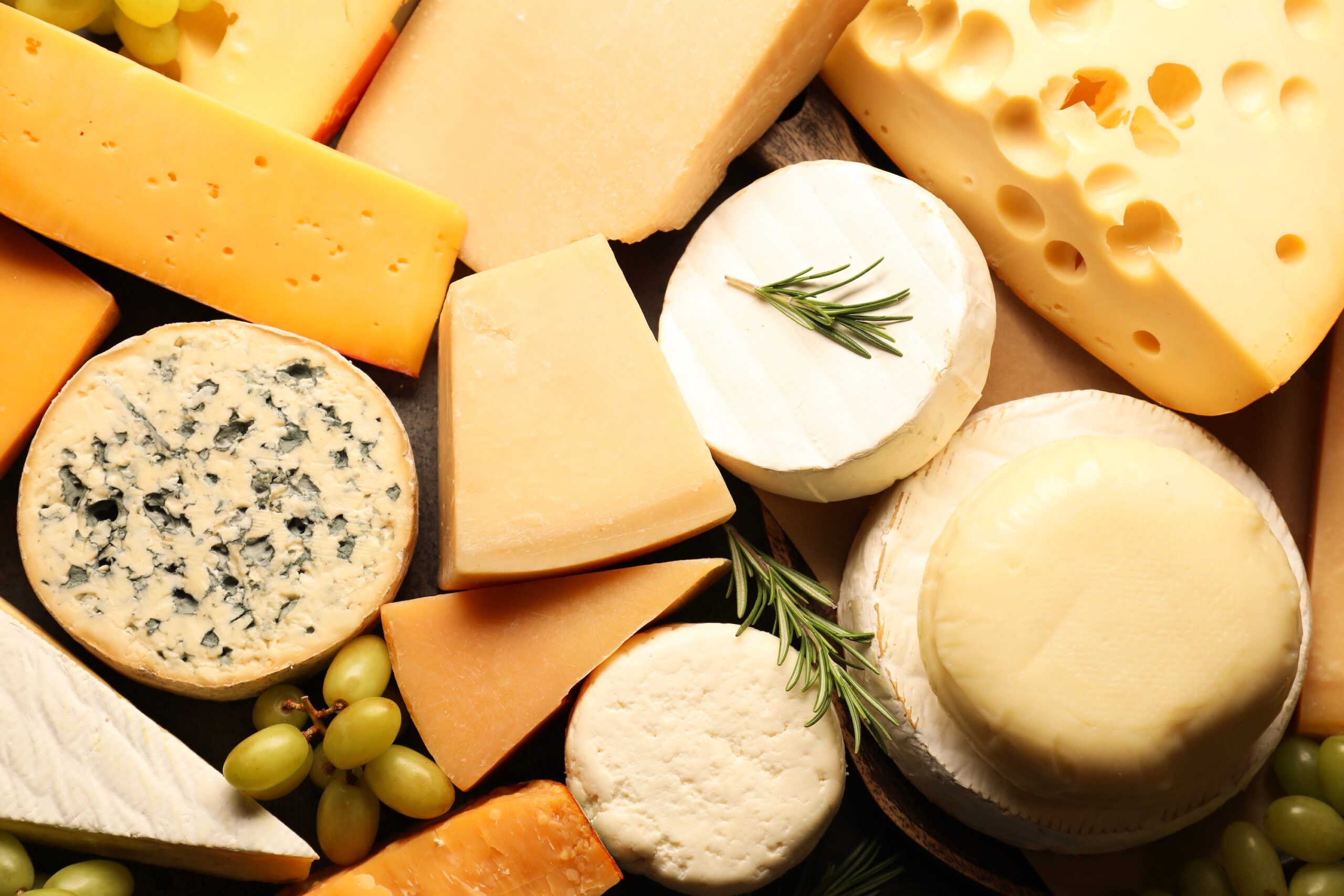
Americans eat roughly 40 pounds of cheese per person each year, and about two-thirds eat it daily. It shows up everywhere: on sandwiches, pizza, tacos, pasta dishes, snack plates, and countless other meals.
So it’s no surprise that as interest in protein grows, more people are asking: What’s the highest protein cheese?

The Easy Way
to lose weight and get healthy.

The answer is a little more complicated than you might think. Some cheeses pack the most protein per ounce, while others deliver more protein in the portions people actually eat. Below, we’ve ranked popular cheeses both ways to help you find the best fit for your goals.
Why do high-protein foods matter so much in 2026?
Protein has always been important, but a few big trends have amplified the conversation considerably in recent years:
- It helps you feel fuller and stick to a healthy eating plan. Research shows protein increases appetite-suppressing hormones, helping people feel fuller longer. It also has a higher thermogenic effect than carbohydrates or fat, meaning your body burns slightly more calories just digesting it. That combination — greater fullness, fewer cravings, a modest metabolic boost — is a big part of why protein keeps dominating the nutrition conversation.
- It helps preserve muscle in people taking GLP-1s to lose weight. Medications like Wegovy and Zepbound have changed the weight-loss landscape, with millions of people now using GLP-1 medications to help manage their weight. One thing many people don’t realize: when you lose weight, you’re not just losing body fat. Some muscle loss is a normal part of weight loss, whether you’re using a GLP-1 medication or not. Research suggests that about one-quarter of the weight lost during GLP-1 treatment might come from lean mass. For that reason, experts generally recommend prioritizing protein and including resistance training as part of a weight-loss plan.
- It helps preserve muscle as we age. Muscle loss can begin as early as age 30 and tends to accelerate after age 50. To help support muscle health, people are often encouraged to get about 1 to 1.2 grams of protein per kilogram of body weight per day — roughly 70 to 110 grams daily for most adults, though individual needs vary. Many people may not be getting enough: one study found that nearly half of adults aged 51 and older failed to meet their daily protein needs, and research suggests those who don’t may lose muscle at roughly twice the rate of those who do.
Where does the protein in cheese come from?
Cheese gets its protein from milk, whether it’s made from cow’s, goat’s, or sheep’s milk. Milk contains two main proteins: casein and whey. During cheesemaking, milk is curdled and much of the liquid whey is removed, leaving behind protein-rich curds that are pressed and aged into cheese. Because much of the water is removed in the process, the protein becomes more concentrated, which is why many cheeses contain more protein per ounce than milk.
The protein in cheese is considered a complete protein, meaning it contains all nine essential amino acids the body needs from food. In addition to protein, cheese provides nutrients such as calcium, phosphorus, vitamin B12, and zinc, though the exact amounts vary by cheese type.
One thing to note: while cheese is often included in vegetarian eating patterns, not all cheeses are technically vegetarian. Some are made with animal-derived rennet, while others use microbial or plant-based alternatives. It’s best to check the label if this is important to you.
Is the protein in cheese healthy?
Yes. While cheese has a reputation for being high in saturated fat, the overall research on cheese is more positive than many people realize.
- Cheese contains high-quality protein that helps support muscle health. A study found that eating cheese was associated with increased muscle protein synthesis rates both at rest and during recovery from exercise. A separate study found that combining cheese with resistance training decreased body fat and supported muscle.
- It may help with fullness and weight management. Cheese combines protein and fat, two nutrients that tend to be more satisfying than refined carbohydrates. Some studies have found that people who eat more cheese tend to have healthier BMIs and gain less weight over time, although that doesn’t necessarily mean cheese itself causes weight loss.
- The saturated fat story is more nuanced than it once seemed. For years, cheese was viewed mainly as a source of saturated fat. More recent research suggests that the health effects of cheese can’t be predicted by saturated fat content alone. The combination of protein, minerals, probiotics (in some aged cheeses), and the structure of the dairy food itself may influence how cheese affects cholesterol and overall heart health.
Like all foods, cheese isn’t inherently “good” or “bad.” But for most people, it can be a nutritious source of protein and other important nutrients when enjoyed as part of an overall balanced eating pattern.
The highest-protein cheese: A ranking of 30 popular cheeses
Not all cheese is the same when it comes to protein—and the differences can be larger than you might expect. Hard, aged cheeses concentrate protein because most of the water has been pressed and aged out. Soft, fresh cheeses have higher moisture content and less protein per ounce—but their standard serving sizes are often much larger, which changes the picture considerably.
That distinction matters, and it’s why looking at protein per ounce alone can be misleading. Some cheeses are naturally used in small amounts—a finishing grate, a crumble, a smear—so even a high protein density per ounce doesn’t necessarily translate to a lot of protein on your plate.
An ounce of a hard grating cheese like Parmesan, for example, is roughly 5 to 6 tablespoons—far more than most people use in a single meal. Others, like cottage cheese or ricotta, are eaten by the half-cup or cup, so their per-ounce number undersells them significantly. A soft cheese with just 3.5 grams per ounce can deliver 25 or more grams in a single realistic serving.
Noom’s Most Powerful Program
A dual-pathway GLP-1 and behavior change for lasting results.

How much protein you actually get from cheese depends as much on how you eat it as what’s in it. The table below shows both—protein per ounce and protein per realistic serving—so you can compare.
The highest-protein cheese: Ranked by average serving size
| Cheese | Typical serving | Protein per serving | Protein per ounce | Calories per serving | Notes |
|---|---|---|---|---|---|
| Cottage cheese (low-fat, 1–2%) | 1 cup | 25g | 3.5g/oz | 180 | Best real-world protein haul of any cheese |
| Cottage cheese (full-fat, 4%) | 1 cup | 22g | 3g/oz | 220 | Creamier; still outstanding value |
| Ricotta (part-skim) | ½ cup | 14g | 3g/oz | 170 | Great in pasta, pancakes, and baked goods |
| Parmesan (Parmigiano-Reggiano) | 2 tbsp grated (0.35 oz) | 2g | 10–11g/oz | 40 | Highest protein per ounce of any cheese; but realistic use is a tablespoon or two over pasta or salad |
| Romano (Pecorino Romano) | 2 tbsp grated (0.35 oz) | 2g | 9g/oz | 39 | Sheep’s milk; even saltier than parmesan—a finishing cheese, not a protein strategy |
| Asiago | 1 oz | 8–9g | 8–9g/oz | 122 | Nutty; mild when young, sharp when aged; great for snacking or grating |
| Gruyère | 1 oz | 8–9g | 8–9g/oz | 117 | Swiss classic; excellent melting cheese; naturally aged with probiotics |
| Swiss / Emmental | 1 oz (1 deli slice) | 8g | 8g/oz | 111 | Lower sodium than most; high calcium; sandwich staple |
| Manchego | 1 oz | 8g | 8g/oz | 120 | Spanish sheep’s milk; firm and buttery; works well on a cheese board |
| Mozzarella (part-skim) | 1.5 oz | 10g | 7g/oz | 119 | Higher protein than most soft cheeses; the everyday pizza and caprese choice |
| Halloumi | 1.5 oz (grilled) | 10g | 7g/oz | 135 | Cypriot brined cheese; holds shape when cooked; squeaky and salty |
| Stilton | 1 oz | 7g | 7g/oz | 123 | Firmest of the blues; crumbles well over salads and roasted vegetables |
| Provolone | 1 oz (1 deli slice) | 7–8g | 7–8g/oz | 100 | Mild and stretchy when melted; great hot or cold; works well for sandwiches and melting |
| Cheddar | 1 oz | 7g | 7g/oz | 115 | America’s most consumed natural cheese; consistent protein across mild to extra-sharp |
| Gouda | 1 oz | 7g | 7g/oz | 101 | Mild and slightly sweet; smoked Gouda pairs well on protein-forward snack plates |
| Edam | 1 oz | 7g | 7g/oz | 101 | Dutch; mild, lower in fat than many hard cheeses; recognizable red wax rind |
| Colby | 1 oz | 7g | 7g/oz | 110 | Wisconsin original; milder than cheddar; often sold as Colby-Jack |
| Double Gloucester | 1 oz | 7g | 7g/oz | 120 | British cow’s milk cheese; similar profile to cheddar; smooth and buttery |
| Fontina | 1 oz | 7g | 7g/oz | 110 | Italian semi-hard; melts beautifully into sauces, fondues, and sandwiches |
| Muenster | 1 oz | 7g | 7g/oz | 104 | Semi-soft; smooth, mild flavor; excellent for melting on burgers or wraps |
| Limburger | 1 oz | 7g | 7g/oz | 93 | Notoriously pungent aroma; decent protein and lower in calories than most hard cheeses |
| Ricotta (whole milk) | ½ cup | 12g | 2–3g/oz | 215 | Creamier than part-skim; slightly less protein per serving |
| String Cheese (mozzarella) | 1 stick (1 oz) | 6–8g | 6–8g/oz | 80 | Convenient grab-and-go snack; portion already controlled |
| Monterey Jack | 1 oz | 6–7g | 6–7g/oz | 106 | Mild and creamy; Pepper Jack adds heat with the same protein |
| Havarti | 1 oz | 6–7g | 6–7g/oz | 105 | Creamy Danish semi-soft; buttery and mild; melts smoothly |
| Gorgonzola | 1 oz crumbled | 6g | 6g/oz | 100 | Italian blue; creamy texture; bold flavor means a little goes a long way |
| Roquefort | 1 oz crumbled | 6g | 6g/oz | 105 | French sheep’s milk blue; tangy, salty, DOP-protected |
| Danish Blue (Danablu) | 1 oz crumbled | 6g | 6g/oz | 99 | Milder than Roquefort; good crumbled into salad dressings |
| Goat Cheese (fresh chèvre) | 1 oz | 5g | 4–5g/oz | 76 | Easier to digest for some; lower lactose than cow’s milk cheeses |
| Mozzarella (whole milk, fresh) | 1.5 oz | 8g | 5–6g/oz | 127 | Classic pizza and caprese staple; slightly less protein than part-skim |
| Burrata | 2 oz | 9g | 5g/oz | 210 | Fresh mozzarella shell filled with cream; lower protein than it looks due to the fat-rich center |
| Queso blanco | 1 oz | 5g | 5g/oz | 85 | Firm, crumbly; doesn’t melt; great pan-fried as a meat-free protein |
| Brie | 1 oz | 4–6g | 4–6g/oz | 95 | Rind is edible; extremely low in lactose when properly aged |
| Camembert | 1 oz | 4–5g | 4–5g/oz | 85 | Similar to Brie but slightly firmer; earthy and rich |
| Queso Fresco | 1 oz crumbled | 4g | 4g/oz | 80 | Fresh Mexican-style crumbling cheese; mild and lower in fat |
| Feta | 1 oz crumbled | 4g | 4g/oz | 79 | Very high sodium; lower protein but also lower calorie; use as a flavoring |
| Babybel | 1 wheel (¾ oz) | 4g | 4g/oz | 70 | Portion-controlled snack; decent protein for its size |
| American processed cheese | 1 slice (¾ oz) | 3–4g | 4–5g/oz | 65 | Lower protein than natural cheese; typically includes emulsifiers and sodium phosphate |
| Mascarpone | 1 oz | 2g | 2g/oz | 120 | Italian cream cheese; very high fat, low protein—a finishing ingredient |
| Cream Cheese | 1 oz (2 tbsp) | 2g | 2g/oz | 99 | Lowest protein of any common cheese; think of it as a spread, not a protein source |
Sources: USDA FoodData Central · USDA/NCBI: Cheese Consumption by U.S. Adults, NHANES 2017–2018
What’s the highest-protein cheese? It depends on how you eat it
If you’re looking strictly at protein per ounce, Parmesan comes out on top. But because most people use it as a garnish rather than a main ingredient, it doesn’t contribute as much protein to a meal as the numbers might suggest.
When realistic serving sizes are considered, low-fat cottage cheese is the clear winner. A cup provides about 25 grams of protein for fewer than 200 calories, making it one of the most protein-rich options in the dairy aisle.
That doesn’t mean you need to swap your favorite cheese for cottage cheese. Many of the cheeses Americans eat most often—including cheddar, mozzarella, Swiss, provolone, and Monterey Jack—provide about 6 to 8 grams of protein per ounce. While they don’t match cottage cheese gram for gram, they can still make a meaningful contribution to your daily protein intake.
The takeaway? If maximizing protein is your goal, cottage cheese, ricotta, and part-skim mozzarella offer some of the biggest protein payoffs per serving. But everyday favorites like cheddar and Swiss remain solid protein sources that can fit into a balanced eating pattern. The best choice is often the one you’ll actually enjoy and eat regularly.
Top questions about protein in cheese, answered
Is cheese a good source of protein?
Yes. Cheese provides protein along with nutrients like calcium, phosphorus, and vitamin B12. The exact amount varies by type, but many cheeses offer 6 to 8 grams of protein per ounce. Cheese can be a meaningful contributor to your daily protein intake, though it’s also important to keep portion sizes in mind since many cheeses are relatively high in calories, saturated fat, or sodium.
Which has more protein: eggs or cheese?
They’re surprisingly similar. A large egg contains about 6 grams of protein, while an ounce of cheddar or Swiss provides about 7 to 8 grams. Some hard cheeses, such as Parmesan and Romano, contain even more protein per ounce. Both eggs and cheese can be part of a protein-rich eating pattern, and each offers its own mix of nutrients.
Does all cheese have a lot of lactose?
No. The amount of lactose in cheese varies depending on how it’s made and aged. Many aged cheeses, including cheddar, Parmesan, Swiss, and Gruyère, contain very little lactose because much of it is removed or broken down during the cheesemaking process. As a result, some people with lactose intolerance find they can tolerate these cheeses even if they have trouble with milk.
What’s the lowest protein cheese?
Cream cheese is one of the lowest-protein cheeses, with about 2 grams of protein per ounce. Mascarpone, Brie, feta, and American cheese also tend to be lower in protein than options like cottage cheese, cheddar, Swiss, or mozzarella. That doesn’t make them less healthy—it just means they’re not the best choice if protein is your primary goal.
Can I eat cheese on a GLP-1 medication?
Yes. Because medications like Wegovy and Zepbound can reduce appetite, many people focus on getting enough protein in a smaller amount of food. Cheese can help contribute to those protein goals, especially when paired with other protein-rich foods. If you’re taking a GLP-1 medication, experts generally recommend prioritizing both protein intake and strength training to help support muscle health during weight loss.
Is the protein in cheese complete?
Yes. Cheese contains all nine essential amino acids, making it a complete protein. That means it provides the building blocks your body needs for functions like muscle maintenance and repair. For people who eat little or no meat, cheese can be one way to help meet protein needs.
The Easy Way
to lose weight and get healthy.
The bottom line: Cottage cheese is the highest-protein cheese by typical serving size
If you’re looking for the highest-protein cheese, the answer depends on how you measure it. Parmesan takes the crown for protein per ounce, but because it’s typically used in small amounts, it doesn’t deliver as much protein per serving as many people assume. When realistic serving sizes are taken into account, cottage cheese stands out as one of the most protein-rich options in the dairy aisle, with about 25 grams of protein per cup.
That said, there’s no single “best” cheese. Cheddar, Swiss, mozzarella, ricotta, Gruyère, and many others can all contribute meaningful amounts of protein while providing nutrients like calcium and vitamin B12. The best choice is the one that fits your taste preferences, nutrition goals, and eating habits. Whether you’re trying to stay fuller longer, support muscle health, or simply enjoy your favorite foods, cheese can be part of a balanced, protein-rich eating pattern.If you want more tips for building healthy eating habits and some great healthy recipes that you can make with cheese, sign up for a free trial of Noom. We’ll show you how every food you love can be part of a healthy lifestyle.
Editorial standards
At Noom, we’re committed to providing health information that’s grounded in reliable science and expert review. Our content is created with the support of qualified professionals and based on well-established research from trusted medical and scientific organizations. Learn more about the experts behind our content on our Health Expert Team page.