What you’ll learn:
- Zepbound® is an effective GLP-1 medication for weight loss — among the most effective of those available as of right now.
- Doses range depending on tolerability and response, from 2.5 mg up to 15 mg.
- While the 15mg dose can produce the most weight loss, the highest dose isn’t automatically the best dose for everyone.
If you’re taking Zepbound®—or thinking about starting it—you’ve probably wondered whether moving as quickly as possible to the highest dose will lead to more weight loss. The answer isn’t as simple as “higher is always better.”
While it’s true that in clinical trials, people taking the highest dose lost the most weight on average, that’s only part of the story. The most effective dose is the one that helps you lose weight while minimizing side effects — and one you can realistically stay on for the long term. For some people, that may be the maximum dose: 15 mg. For others, it may be lower.
Zepbound® is available in six different strengths, from 2.5 mg to 15 mg. Everyone starts at the lowest dose, and your clinician will increase it over time. The most effective dose for you may be different than someone else.
In this guide, we’ll explain how Zepbound® dosing works, what clinical trials found at each dose, why higher doses don’t always translate to better real-world results, and what to do if your weight loss slows down before you reach your goal.
What is Zepbound®—and how does dosing work?
Zepbound® is made with tirzepatide, approved to help people lose weight alongside a healthy diet and exercise. As a member of the GLP-1 family of medications, it mimics GLP-1 to lower appetite, slow digestion, and regulate blood sugar. Tirzepatide also targets a second hormone called GIP, which may contribute to the greater average weight loss seen in clinical trials.
Noom’s Most Powerful Program
A dual-pathway GLP-1 and behavior change for lasting results.

Tirzepatide is largely considered the most effective weight loss medication on the market today, helping people lose an average of 21% of their starting body weight. So for example, if you started out at 250 pounds, Zepbound would for the average person, get them down to 197. Now remember, that is just an average; some people lose more, and some lose less.
The medication is designed to be used alongside a reduced-calorie diet and increased physical activity — not as a replacement for healthy habits. The medication can help you make healthy lifestyle changes, but it won’t do it for you. You still have to make the changes to see the best results.
And that 21% number is connected to the highest dose of tirzepatide: 15 mg. Lower doses have lower average effectiveness, but not as much as you might think. But there’s a nuance there too because your experience will not depend on what dose you reach, but how well you are able to make lifestyle changes at that dose. Let’s get into dosing and how that works and when it’s time to raise the dose.
Zepbound® dosing: The standard schedule
Zepbound® is designed to be increased slowly every 4 weeks or more as needed. This titration is an important part of how the medication works.
Treatment begins with 2.5 mg once weekly for the first four weeks. This dose is designed to help your body adjust to the medication and reduce common gastrointestinal side effects like nausea, vomiting, and diarrhea.
If you’re tolerating treatment well, your healthcare provider will increase your dose every four weeks until you reach a maintenance dose that balances weight loss with manageable side effects. The goal is to lose steady weight, 1 to 2 pounds per week, with the lowest rate of side effects. Here’s the typical dose schedule:
| Dose | Average Timeline |
|---|---|
| 2.5 mg | Weeks 1–4 |
| 5 mg | Weeks 5–8 |
| 7.5 mg | Weeks 9–12 |
| 10 mg | Weeks 13–16 |
| 12.5 mg | Weeks 17–20 |
| 15 mg | Week 21 and beyond |
These weeks reflect the fastest timeline allowed under the label — each dose requires a minimum of 4 weeks before increasing, but a provider can hold you at any dose longer.
Not everyone will reach 15 mg, and that’s okay. It’s essential that you are comfortable at your dose; increasing it before you are ready can make it difficult to stay on the medication. Plus, as we’ll see in the next section, the lower doses are still very effective for weight loss for many.
Read more: Zepbound® dosage guide: How to find the right dose for weight loss — a closer look at how providers decide when to increase (or hold) your dose.
Which Zepbound® dose is most effective? It depends.
Yes, 15 mg produced the greatest average weight loss in clinical trials, but the differences between the higher doses are smaller than many people expect.
Access GLP-1 Weight Loss with Noom
Explore a wide range of prescription medications supported by Noom’s program.
Microdose GLP-1rx
Noom GLP-1rx
Noom GLP-1rx Plus
Wegovy®
Ozempic®
Metformin
Zepbound®
Mounjaro®
Liraglutide
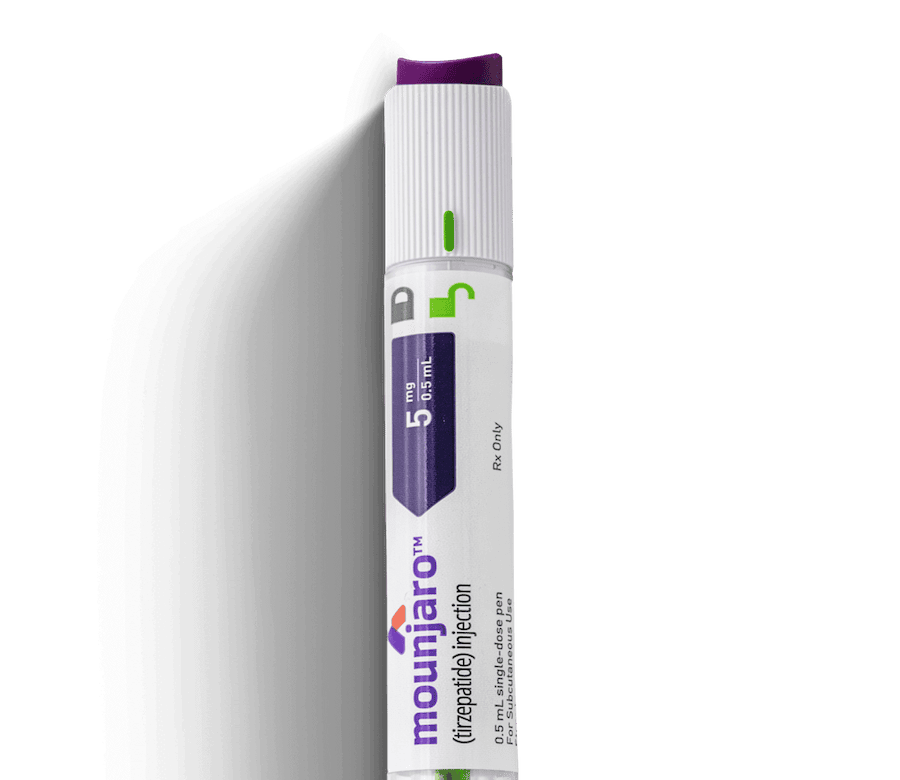
The largest study of Zepbound® for weight management followed people for 72 weeks while they took one of three maintenance doses—5 mg, 10 mg, or 15 mg—alongside lifestyle changes. (Intermediate doses like 7.5 mg and 12.5 mg were used only during dose escalation and weren’t studied as long-term maintenance doses.)
| Dose | Average weight loss after 72 weeks | Pounds lost (200 lb starting weight) |
|---|---|---|
| 5 mg | 15% of starting body weight | 30 lb |
| 10 mg | 20% of starting body weight | 40 lb |
| 15 mg | 21% of starting body weight | 42 lb |
For someone starting at 200 pounds, that means:
- Moving from 5 mg to 10 mg was associated with about 10 additional pounds of average weight loss—from 30 to 40 pounds.
- Moving from 10 mg to 15 mg was associated with about 2 additional pounds of average weight loss—from 40 to 42 pounds.
In other words, among the maintenance doses that were studied, the largest improvement came between 5 mg and 10 mg. The difference between 10 mg and 15 mg was much smaller on average.
That doesn’t mean 15 mg isn’t the right choice for some people. If you’re still losing weight, have persistent appetite or food noise, or tolerate the medication well, your healthcare provider may recommend increasing to the highest dose. Others may do well staying at 10 mg or moving to 12.5 mg, especially if they’re happy with their progress or experience more side effects at higher doses.
One important caveat: because 12.5 mg wasn’t studied as a maintenance dose, we don’t know whether it would have produced weight-loss results closer to 10 mg or 15 mg. In clinical practice, some healthcare providers choose to keep people at 12.5 mg if they’re continuing to lose weight or don’t tolerate 15 mg well, but there isn’t a randomized trial comparing those two doses.
It’s also worth remembering that these numbers are averages across thousands of participants. Individual results vary based on starting weight, genetics, medical history, eating patterns, physical activity, and how consistently you take the medication.
Why the highest dose isn’t always the best dose
Although 15 mg produced the greatest average weight loss in clinical trials, that doesn’t mean it’s the right maintenance dose for everyone.
Healthcare providers don’t increase your dose simply because a higher one is available. Instead, they look at several factors, including:
- How much weight you’re losing
- Whether your appetite and food noise are well controlled
- How well you’re tolerating your current dose
- Whether additional weight loss is likely to outweigh the risk of more side effects
For some people, moving to a higher dose makes sense. Others continue losing weight and feeling satisfied on a lower maintenance dose, making another increase unnecessary.
Higher doses may bring more side effects
Digestive issues are among the most common side effects reported when starting Zepbound® or increasing the dose. Here’s a closer look at some of the most frequently reported gastrointestinal symptoms, along with tips to manage them for doses 5 mg, 10 mg, and 15 mg:
| Symptom | Zepbound® 5 mg | Zepbound® 10 mg | Zepbound® 15 mg | What Can Help |
|---|---|---|---|---|
| Nausea | 25% | 29% | 28% | Eat smaller, low-fat meals and avoid greasy or spicy foods to help manage nausea. |
| Diarrhea | 19% | 21% | 23% | Stay hydrated and choose easy-to-digest, low-fiber foods to ease digestion. |
| Vomiting | 8% | 11% | 13% | Stick to clear liquids and bland foods like toast or crackers to settle your stomach. |
| Constipation | 17% | 14% | 11% | Gradually increase fiber intake, drink plenty of water, and stay active to prevent constipation. |
| Abdominal pain | 9% | 9% | 10% | Try clear liquids and avoid solid foods for a short time to ease abdominal pain. |
| Dyspepsia (indigestion) | 9% | 9% | 10% | Eat slowly and avoid eating greasy and fizzy foods to reduce indigestion. |
Other symptoms
While digestive issues often receive the most attention with Zepbound® (tirzepatide), there are other potential side effects that affect energy, mood, the nervous system, and cardiovascular function. Some people experience dizziness, fatigue, rapid heart rate, and even hair loss but the rate is typically 5% or less. These symptoms are typically manageable and may improve over time, especially with dose adjustments. Let’s explore these side effects in more detail, along with tips that can help manage them.
Read more: Zepbound® side effects: Symptom guide and management tips.
The most effective Zepbound dose is the one you can stay on
Clinical trials measure what happens under carefully controlled conditions. Real life is different.
The most effective dose isn’t necessarily the highest one — it’s the dose that allows you to continue treatment consistently while making steady progress toward your goals.
Noom’s Most Powerful Program
A dual-pathway GLP-1 and behavior change for lasting results.
Someone who loses 20% of their starting weight on 10 mg with minimal side effects may ultimately have a better experience than someone who escalated to 15 mg. The increase may help the person lose slightly more weight, but side effects like persistent nausea may make it difficult to continue taking the medication.
Consistency matters because Zepbound® works over months, not weeks. Stopping treatment early can make it harder to achieve or maintain weight loss.
Many people increase their dose more slowly than in clinical trials
In Zepbound weight loss studies, participants generally increased their dose every four weeks unless side effects required a delay. Outside of clinical trials, dose increases are often more gradual and personalized.
One analysis of tirzepatide prescribing patterns found that most people remained on 10 mg or less several months after starting treatment—suggesting that healthcare providers frequently personalize titration based on how each patient is responding, rather than following the fastest possible schedule.
Will the cost of Zepbound increase as my dose increases?
If you’re getting Zepbound® through commercial insurance or through Medicare’s GLP-1 Bridge program, your rate typically stays the same no matter which dose you’re on.
That’s not the case if you’re paying through LillyDirect®, Lilly’s self-pay pharmacy. There, the price does change by dose. Under Lilly’s Zepbound Self Pay Journey Program pricing, current monthly rates for both single-dose vial and KwikPen®s are:
- 2.5 mg: $299/month
- 5 mg: $399/month
- 7.5 mg: $449/month
- 10 mg: $449/month
- 12.5 mg: $449/month
- 15 mg: $449/month
That means the most common maintenance doses, and the maximum dose, are usually the same cost. It’s the initial doses that are less expensive.
That $449 price comes with a catch: it only holds if you refill within 45 days of your previous delivery. The Journey Program is a manufacturer purchase offer, not insurance, and Lilly’s terms tie the discounted rate to staying continuously enrolled, refill after refill.
Read more: Zepbound® cost with and without insurance and Zepbound® cost without insurance
What happens if you stop losing weight on Zepbound®?
It’s normal for the rate of weight loss to slow over time while taking Zepbound®.
Many people lose weight steadily at first, then find that the pace of weight loss gradually slows before eventually leveling off. This is known as a weight-loss plateau, and it’s a normal part of the process rather than a sign that the medication has stopped working.
As you lose weight, it’s common for the pace of weight loss to slow. This happens with most weight-loss approaches and reflects a combination of biological adaptations and changes in energy needs, not necessarily a sign that the medication has stopped working.
Research on tirzepatide reflects this pattern. In an analysis of Zepbound studies, researchers looked at those who remained on treatment and lost at least 5% of their starting weight. They found that:
- Most people reached a weight-loss plateau between 24 and 36 weeks, although the timing varied from person to person.
- By approximately 72 weeks, nearly 90% of participants had reached a plateau at some point.
- People taking 10 mg and 15 mg generally reached a plateau later than those taking lower doses.
- Factors such as age, starting BMI, and individual biology also influenced when weight loss stabilized.
These findings suggest that people taking 10 mg or 15 mg tended to continue losing weight for longer before reaching a plateau than those taking lower doses. However, most participants eventually reached a plateau regardless of the dose they were taking.
A plateau doesn’t always mean you need a higher dose
It’s understandable to assume that stalled weight loss means it’s time to increase your medication. But that’s only one possibility, and it’s not always the right one. Healthcare providers typically look at the bigger picture before recommending a dose increase, considering questions like:
- Have you been taking your medication consistently?
- Have your eating habits changed since you started treatment?
- Are you getting enough protein to help preserve muscle mass?
- Have you added resistance or strength training to your routine?
- Are you sleeping well and managing stress?
Depending on your situation, your healthcare provider may recommend reviewing your nutrition, physical activity, sleep, or medication schedule before deciding whether increasing your dose makes sense.
If you’re already at your highest tolerated dose and your weight has remained stable for several months, maintaining your current weight may actually represent a successful outcome. Preventing weight regain is also an important part of treatment, even if the scale isn’t continuing to move downward. Some people move on to a lower maintenance dose if maintaining a stable weight becomes the priority.
- Zepbound® plateau: Why weight loss stalls and what to do next
- Does staying on a maintenance dose of Zepbound® help keep weight off?
Reviews from real Noom users
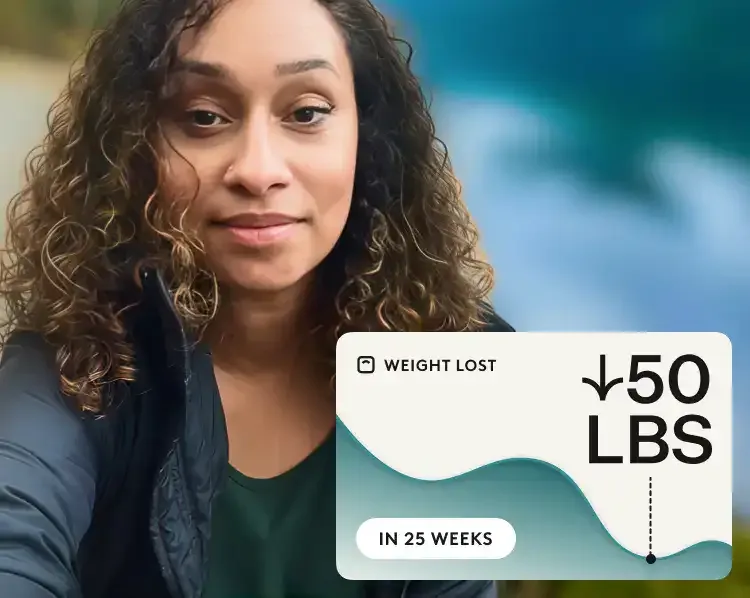
“My favorite parts of Noom are the care team and other Noomers. Sharing and getting help made me feel like I wasn’t doing it alone. That support made all the difference.”
Desirea N. — Real Noom user
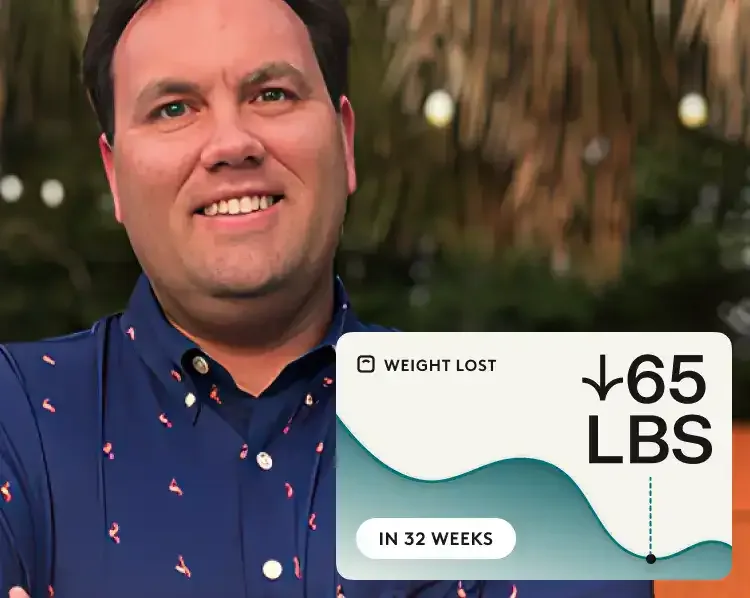
“Noom has taught me that every day is a new chance to make better, healthier choices. It’s taught me how to stop overeating.”
Matthew M. — Real Noom user
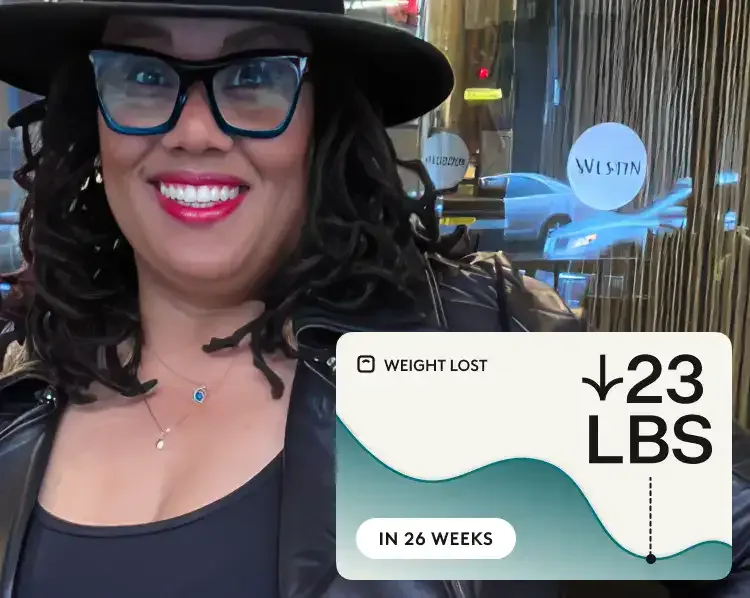
“Clinicians who understand how supportive medication can be is one of the best parts of Noom! I was convinced I wouldn’t have success but I’m down 11 pounds in two months.”
Lila M. — Real Noom user
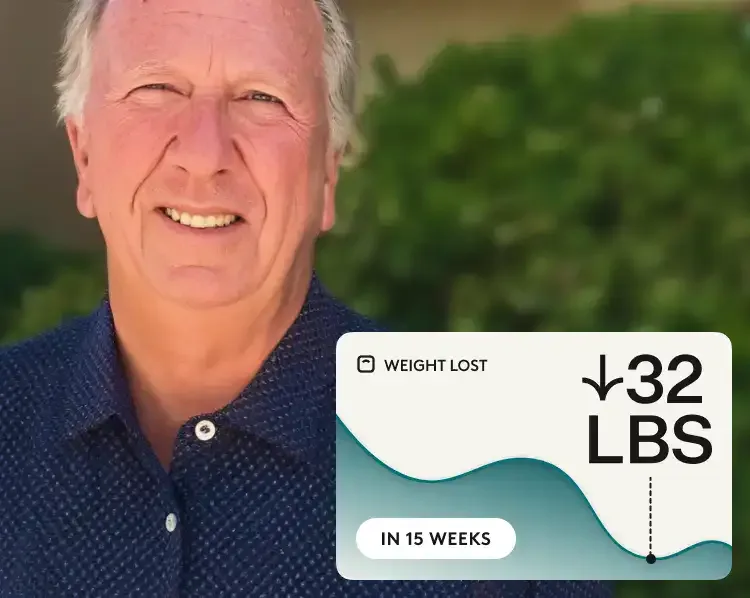
“Noom provided me with the medication which I could not get through Medicare. I have learned the tricks to better eating and life in general.”
Steve M. – Real Noom user
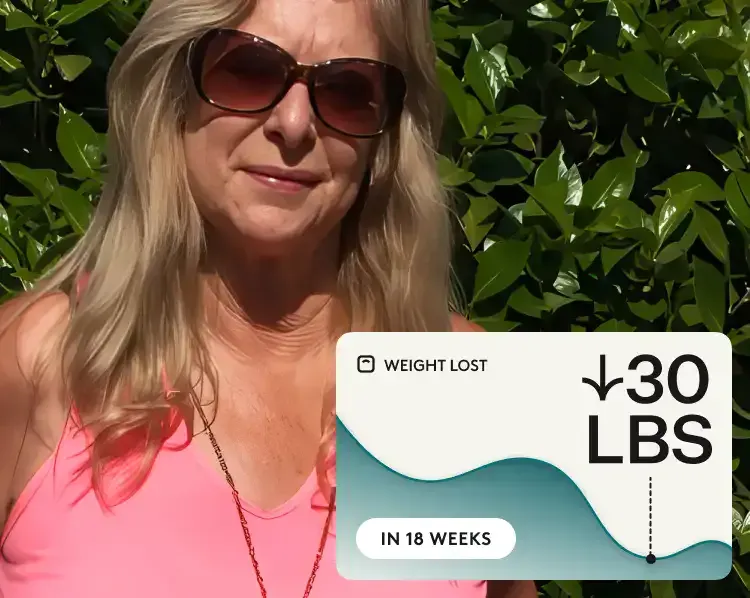
“Noom has changed my life and I’m so thankful, I feel great, have more energy and am no longer prediabetic.”
Daisy R. – Real Noom user
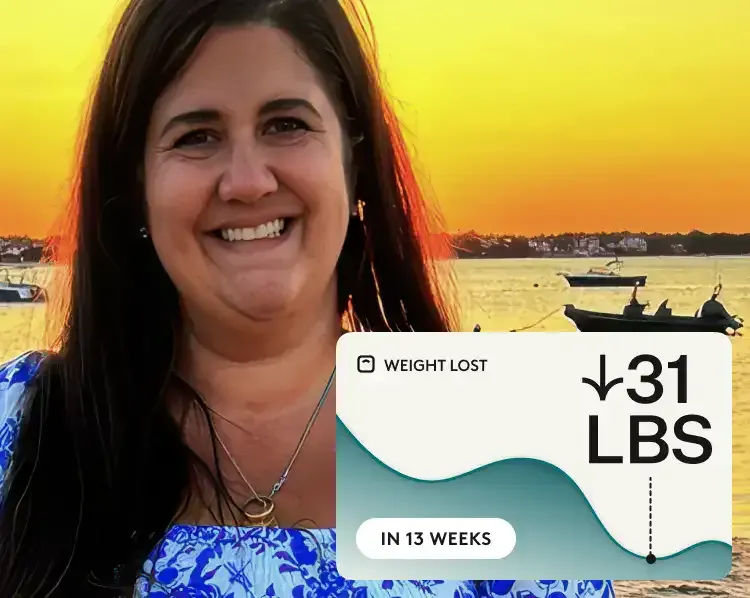
“All of the Noom providers that I’ve met with have been exceptional and prescribed medications that are appropriate for my situation and health.”
Sarah R. – Real Noom user
“Noom made the process so simple and now I feel full, free from diet obsession, and at ease in my body again.”
Madison S. – Real Noom user
“My doctor recommended Noom after I was frustrated trying to lose weight. The lessons helped change my relationship with food. My body feels lighter & energized.”
Sonday K. – Real Noom user
“I built healthy habits with coaching and lessons that make me confident I can maintain my weight loss long term.”
Cam K. – Real Noom user
“With the right medication through Noom, hunger and sugar cravings finally quieted and I have the tools to break the cycle.”
Laura TR. – Real Noom user
“Cravings and food noise are gone, I finally feel confident in the healthy habits I’ve built to last with Noom.”
Jessica S. – Real Noom user
The bottom line: The most effective Zepbound® dose can vary
The 15 mg dose of Zepbound® produced the greatest average weight loss in studies, but that doesn’t mean it’s the right dose for everyone.
The most effective dose is the one that helps you make steady progress while remaining manageable enough to continue over the long term. For some people, that’s 15 mg. For others, it’s 5 mg, 7.5 mg, 10 mg, or 12.5 mg. Side effects, medical history, lifestyle, and personal goals all play a role in determining the best maintenance dose.
Rather than focusing on reaching the highest dose as quickly as possible, it’s more helpful to think about finding the dose that supports sustainable weight loss and fits your life. Working closely with your healthcare provider can help ensure that dose adjustments are based on how you’re responding—not simply on a schedule.
If you’re considering Zepbound®, see if you qualify for Noom Med. If so, you’ll be connected with a clinician who can find the right medication for you and prescribe it if needed. Your Care Team will provide ongoing monitoring throughout every stage of the experience. Plus, you’ll get access to Noom’s behavior-change program, which can help you build the habits around eating and activity that work alongside the medication for lasting weight loss.
Editorial standards
At Noom, we’re committed to providing health information that’s grounded in reliable science and expert review. Our content is created with the support of qualified professionals and based on well-established research from trusted medical and scientific organizations. Learn more about the experts behind our content on our Health Expert Team page.